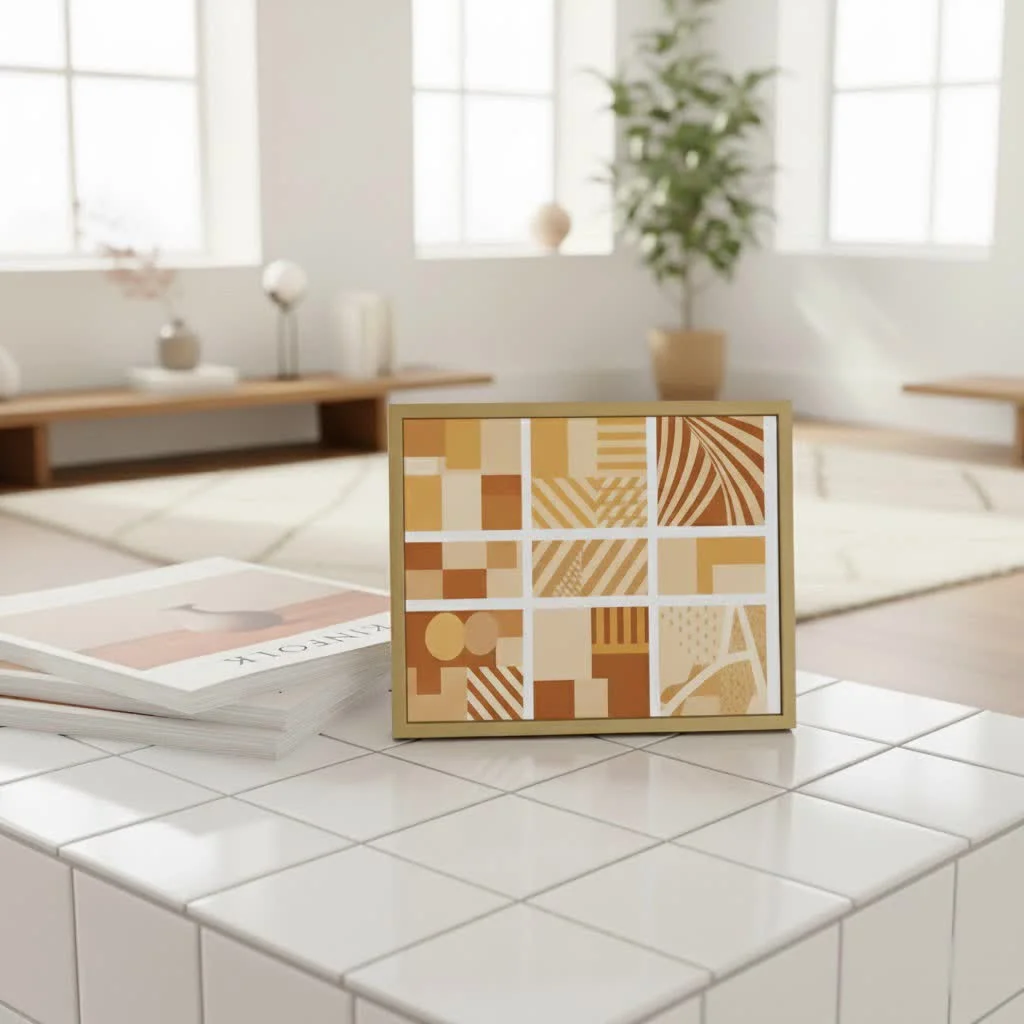
A wall hanging digital picture frame transforms your walls into a dynamic, changing gallery, blending modern technology with timeless decor. These frames offer unparalleled flexibility and personalization, allowing you to display a constantly refreshing collection of photos or art without occupying shelf space. With over 15 years of industry experience, WWMPA recommends these devices for seamlessly integrating digital memories into your home aesthetic, making them a vibrant focal point.
Why Go Wall Hanging? The Allure of a Digital Art Display
Imagine walking into a room and seeing not static prints, but a constantly refreshing collection of your favorite moments, family adventures, or inspiring art, all without taking up a single inch of shelf space. That’s the magic of a wall hanging digital picture frame. It transcends traditional decor by offering unparalleled flexibility and personalization. For more digital photo guides on this site.
For one, it’s a brilliant space-saver. Countertops and mantels can get cluttered quickly. Mounting your digital frame on the wall instantly elevates your display, making it a focal point rather than just another item vying for space. The dynamic nature of a digital display allows for infinite artistic expression. You can switch themes with the seasons, update photos as new memories are made, or even curate different playlists for different moods or occasions. It’s a living canvas that reflects your evolving life and tastes.
“A wall hanging digital picture frame isn’t just about displaying photos; it’s about creating an interactive, personal art installation that adapts to your life,” says Elara Vance, WWMPA Lead Content Creator. “It merges functionality with aesthetic appeal, making your home feel more connected to your digital world.”
Decoding Digital Frames: Types and Key Features for Wall Mounting
Choosing the right wall hanging digital picture frame involves understanding a few critical features that impact both its display quality and its practical use.
Display Size and Resolution: Seeing the Big Picture
When it comes to wall-mounted frames, size truly matters. While smaller frames might suffice for a desk, a wall hanging digital picture frame generally benefits from a larger display to make an impact. Most experts recommend looking for screens at least 10 inches, with 12 to 15-inch options often being ideal for living rooms, hallways, or larger spaces. A bigger screen ensures your photos are easily visible from a distance and truly capture attention.
Resolution goes hand-in-hand with size. A higher resolution, typically 1280×800 pixels or better, ensures sharp, clear images without pixelation, even when viewed up close. Pay attention to the “Pixels Per Inch” (PPI) – a higher PPI means a denser, more detailed image. The aspect ratio is another crucial factor; many digital cameras and smartphones capture photos in a 4:3 aspect ratio. A digital picture frame that matches this ratio will display your photos without awkward cropping or distracting black bars, maintaining their original composition.
Connectivity and Content Management: Your Photos, Your Way
|
Our Picks for the Best Digital Frame in 2026
As an Amazon Associate I earn from qualifying purchases.
|
||
| Num | Product | Action |
|---|---|---|
| 1 | BIGASUO Digital Picture Frame, 10.1\" Frameo Digital Frame WiFi with 32GB Memory, 1280x800 IPS Touch Screen, Send Photos/Videos from Your Phone Anywhere, Photo Gifts for Parents and Grandparents |

|
| 2 | Digital Picture Frame, 15.6 Inch Large Frameo Digital Photo Frame WiFi, 32GB, 1920 * 1080 IPS HD Touch Screen, Tabletop&Wall-Mounted, Share Picture Video, Birthday, Wedding, for Mom |
|
| 3 | Digital Picture Frame - 10.1\" HD Display AI Magic Frame, Touch Screen Digital Photo Frame with Easy Setup, Unlimited Cloud Storage, Gifts for Parents and Grandparents |
|
| 4 | Cordless Digital Photo Frame, 13.3 Inch ePaper Display, Tap-to-Print Technology, Wall Art Frame for Any Place and Everyone |
|
| 5 | Dragon Touch 10.1\'\' WIFI Digital Picture Frame - 1280*800 HD IPS Touch Screen Digital Photo Frame Display, Auto-Rotate, Share Photos/Videos Instantly via Free App Best Gifts for Birthday, Wedding, Mom |
|
| 6 | 32GB FRAMEO 10.1 Inch Smart WiFi Digital Photo Frame 1280x800 IPS LCD Touch Screen, Auto-Rotate Portrait and Landscape, Built in 32GB Memory, Share Moments Instantly via Frameo App from Anywhere |
|
| 7 | Frameo 10.1 Inch WiFi Digital Picture Frame with 32GB Storage,1280 * 800P IPS HD Touch Screen,Send Photos/Videos from Your Phone Anywhere, Photo Gifts for Parents and Grandparents |
|
| 8 | Dragon Touch 10.1\'\' WIFI Digital Picture Frame - 1280*800 HD IPS Touch Screen Digital Photo Frame Display, Auto-Rotate, Share Photos/Videos Instantly via Free App Best Gifts for Birthday, Wedding, Mom |
|
| 9 | Digital Picture Frame, 10.1\'\' Frameo Digital Frame Wifi, 32GB Memory, 1280*800 HD Touch Screen Digital Photo Frame, Wall Mountable, Auto-Rotate, Share Instantly, Wedding, Birthday Gifts for Women, Mom |
|
| 10 | Skylight Frame – WiFi Digital Picture Frame Customer Support, Touch Screen Digital Photo Frame with Easy Setup, Photo Gifts for Parents and Grandparents - 10 Inch Black |
|
How you get your photos onto your wall hanging digital picture frame is a major consideration.
- Wi-Fi Connectivity: Most modern frames are Wi-Fi enabled, allowing you to upload photos wirelessly via a smartphone app, email, or cloud services. This is incredibly convenient for frequent updates or for sharing access with family and friends who can upload their photos directly to your frame from anywhere. Brands like Nixplay, Aura, and Pix-Star excel in this area, offering user-friendly apps and seamless integration with cloud storage.
- USB/SD Card Slots: Many frames still offer traditional USB and SD card ports. These “plug-and-play” options are excellent if you prefer to load a large batch of photos once in a while and don’t need constant updates. They are often simpler to set up initially, bypassing complex Wi-Fi configurations. However, they may require you to physically interact with the frame more often, which can be less convenient if it’s high on a wall.
Consider your photo habits. Do you frequently take new pictures you want to display, or do you have a static collection you want to rotate? Your answer will guide your connectivity choice.
Power Solutions: The Cord Conundrum
One of the biggest challenges with a wall hanging digital picture frame is managing the power cord. A visible cable dangling down your wall can detract from the clean aesthetic you’re trying to achieve.
- Traditional Corded Frames: Most digital frames require constant power. For these, you’ll need to plan for cable management. This could involve using discreet cable covers that match your wall color, running the cable behind furniture, or for a truly seamless look, having an electrician install an in-wall power outlet behind the frame. Some premium frames, like the Aura Walden, even come with fabric-wrapped power cables designed to blend more aesthetically with lighter walls.
- Battery-Powered/E-Paper Frames: For the ultimate wireless experience, innovative e-paper technology offers a game-changing solution. Frames like the Aluratek ePaper digital frame can run for up to a year on a single charge, eliminating the need for a visible power cord altogether. These frames also mimic the look of a printed photo with no backlight glare, making them indistinguishable from traditional artwork. While typically a higher investment, the convenience and aesthetic purity are unmatched.
Mounting Mechanisms: Secure and Stylish
Not all digital frames are created equal when it comes to wall mounting.
- Built-in Mounting Holes: Many frames come with pre-drilled holes or a detachable back casing that reveals mounting points. These are generally straightforward to install with a few screws and anchors. Ensure the frame comes with the necessary hardware.
- VESA Mount Compatibility: For a robust and versatile installation, look for a wall hanging digital picture frame that supports a standard VESA mount. VESA mounts are common for TVs and monitors, offering secure attachment and often allowing for tilt, swivel, or even rotation between portrait and landscape orientations. This provides flexibility in how you display your content. You’ll typically need to purchase a VESA mount separately.
- DIY Considerations: Be cautious with frames not explicitly designed for wall mounting. Attempting a DIY solution might inadvertently block USB/SD card ports or make accessing the power cable awkward, undermining the convenience of your digital frame. Always ensure all necessary ports remain accessible after installation.
Smart Features: Beyond Just Photos
Modern wall hanging digital picture frames often come packed with smart features that enhance their utility and enjoyment.
- Motion Sensors & Sleep Schedules: To conserve energy and prevent a glowing screen at night, many frames include motion sensors that turn the display on when someone enters the room and off when it’s empty. Sleep schedules allow you to program specific on/off times, ensuring your frame is only active when you want it to be.
- Voice Control & Smart Display Integration: Some frames, especially those integrated with smart home ecosystems like the Amazon Echo Show 15 or 21, offer voice control (e.g., via Alexa). This allows you to command your frame to show specific albums or adjust settings without touching it, which is particularly handy for a wall-mounted device. These smart displays can also serve as central hubs for your smart home, displaying calendars, weather, and more, alongside your photos.
Choosing Your Perfect Wall Hanging Digital Frame: A Buyer’s Checklist
Ready to improve your wall? Here’s how to pick the ideal wall hanging digital picture frame for your needs:
Assess Your Space and Aesthetic
Before you even start browsing models, take a good look at the wall where your frame will live.
- Room Size: A larger frame will dominate a smaller wall, while a too-small frame might get lost on a large expanse.
- Wall Clutter: If your wall is already adorned with many items, a simpler, sleeker frame might be best. For a minimalist wall, a larger, more artistic frame can become a stunning centerpiece.
- Desired Look: Do you want a frame that blends in seamlessly, or one that stands out? Consider bezel options (wood, plastic, metallic) and screen finishes (matte vs. glossy). Matte screens, like those found on some Aura models, can mimic the look of a printed photo more closely, reducing glare.
Prioritize Your Photo Management Style
- Frequent Updates? If you’re constantly adding new photos and want to share them instantly, a Wi-Fi-enabled frame with a robust app and cloud integration is a must.
- Set-It-and-Forget-It? If you have a large archive you want to display and rarely update, a simpler frame with USB/SD card support might be sufficient and more budget-friendly.
- Family Sharing? If your goal is to share memories with family members remotely, look for frames with dedicated email or app-based sharing features, where others can send photos directly to your frame.
Budget vs. Features: Finding the Sweet Spot
Digital picture frames range widely in price.
- Entry-level models (e.g., some Aluratek frames) offer basic plug-and-play functionality at an affordable price, though often with lower resolution.
- Mid-range options (like Nixplay, Dragon Touch, AEEZO) provide a good balance of features, Wi-Fi connectivity, and decent image quality.
- Premium frames (e.g., Aura, Aluratek ePaper) come with superior display quality, advanced smart features, and innovative power solutions, but command a higher price point.
Determine which features are non-negotiable for you and which you can live without to find the best value for your investment.
Installation and Troubleshooting: Getting Your Frame Up and Running
Once you’ve selected your perfect wall hanging digital picture frame, the next step is getting it beautifully displayed.
Simple Steps for Wall Mounting
- Choose Your Spot Wisely: Consider viewing angles, ambient light (to minimize glare), and proximity to a power outlet (if corded).
- Measure and Mark: Use a level to ensure your frame hangs straight. Mark the drilling points for screws or the VESA mount bracket.
- Secure the Mount: Drill pilot holes, insert wall anchors if needed, and firmly attach the mounting bracket or screws.
- Hang Your Frame: Carefully attach your digital frame to the installed mounting hardware. Many frames allow for easy rotation between portrait and landscape.
- Cable Management: For corded frames, this is crucial.
- Cable Covers: Simple, paintable plastic channels can hide cords effectively.
- In-Wall Installation: For a truly professional, hidden look, consider having an electrician install a recessed outlet behind the frame. This eliminates visible cords entirely.
- Fabric Cables: Some premium frames offer aesthetically pleasing braided power cables that blend into your wall.
Common Hiccups and Quick Fixes
Even the best technology can have its moments. Here are a few common issues and how to tackle them:
- “My frame won’t turn on.”
- Check power: Ensure the power adapter is securely plugged into both the frame and the wall outlet. Test the outlet with another device.
- Motion Sensor: If your frame has a motion sensor, try waving your hand in front of it or check its settings to ensure it’s enabled and the sensitivity is appropriate.
- Sleep Schedule: Verify that a sleep schedule isn’t preventing the frame from turning on during desired hours.
- “Photos aren’t displaying correctly (cropped, low quality).”
- Aspect Ratio: Check if your photos’ aspect ratio matches the frame’s native aspect ratio. Some frames allow you to adjust how they handle non-matching ratios (e.g., fit to screen, fill screen).
- Resolution: Ensure the photos you’re uploading are of sufficient resolution for your frame’s display. Low-resolution images will appear pixelated on a high-resolution screen.
- File Format: Confirm your frame supports the image file formats you’re using (typically JPEG, PNG).
- “Wi-Fi connection issues.”
- Router Proximity: Ensure your frame is within a reasonable range of your Wi-Fi router.
- Network Password: Double-check that you’ve entered the correct Wi-Fi password.
- Reboot: Try restarting both your Wi-Fi router and your digital frame.
- Firmware Update: Check if your frame has a firmware update available, as this can often resolve connectivity bugs.
Elevating Your Display: Tips for Optimizing Your Digital Wall Art
Once your wall hanging digital picture frame is beautifully installed, take these steps to truly make it shine.
- Content Curation is Key: Don’t just dump all your photos onto the frame. Create themed playlists – a “Family Fun” album, a “Travel Adventures” slideshow, or a “Nature’s Beauty” collection. Update them regularly to keep the display fresh and engaging.
- Brightness and Color Settings: Adjust the screen’s brightness to match the ambient light in the room. Many frames have automatic brightness sensors. Experiment with color settings to ensure your photos look vibrant and true-to-life.
- Mix Media Types: If your frame supports video, don’t shy away from adding short clips or even animated GIFs to your playlists for an extra layer of dynamism.
- Experiment with Orientation: Many frames automatically rotate content when changed from portrait to landscape. If your frame allows it, try switching its orientation periodically to change the visual flow of your wall display.
FAQ: Your Wall Hanging Digital Frame Questions Answered
Q: Can all digital frames be wall-mounted?
A: No, not all digital frames are designed for wall mounting. Many come with built-in stands for tabletop use only. Look for frames that specifically state “wall-mountable,” have integrated hanging holes, or are VESA mount compatible.
Q: How do I hide the power cord for a wall-mounted digital frame?
A: There are several options: use paintable cable covers to blend with your wall, run the cord behind furniture, or for a clean, professional look, consider installing a recessed power outlet directly behind the frame. Some frames also feature aesthetic fabric-wrapped cords.
Q: Are battery-powered wall frames reliable?
A: Yes, battery-powered (especially e-paper technology) wall frames offer excellent reliability and convenience, often running for months or even a year on a single charge. They eliminate the need for visible power cords and offer a true wireless aesthetic.
Q: What’s the ideal size for a wall hanging digital picture frame?
A: For most homes, a digital picture frame between 10 to 15 inches is ideal for wall mounting. This size ensures your photos are clearly visible and make a significant visual impact from a comfortable viewing distance.
Q: Can I control my wall-mounted digital frame remotely?
A: Absolutely! Most modern Wi-Fi enabled wall hanging digital picture frames can be controlled remotely via smartphone apps, web interfaces, or even voice commands through smart assistants like Alexa, allowing you to manage content and settings without physically touching the frame.
The Future of Your Memories, On Display
The wall hanging digital picture frame offers an unparalleled way to showcase your most treasured photos and dynamic art, transforming your living spaces into personalized galleries. From the innovative appeal of e-paper technology to the smart integration of Wi-Fi and voice control, these frames seamlessly blend into your decor while bringing your digital memories to vibrant life. By considering display quality, power solutions, and ease of management, you can select and install the perfect digital frame that not only complements your home but also continuously inspires. Start curating your digital wall art today, and let your memories become a dynamic part of your everyday view.
How to Install a Wall Hanging Digital Picture Frame
Follow these steps to properly install and manage the cables for your wall-mounted digital picture frame, ensuring a clean and aesthetically pleasing display.
Select an optimal wall location considering viewing angles, ambient light to minimize glare, and proximity to a power outlet if your frame is corded. Use a level to ensure the frame hangs straight and mark the drilling points for screws or the VESA mount bracket.
Drill pilot holes at your marked points, inserting wall anchors if necessary for added stability. Firmly attach the mounting bracket or screws to the wall, ensuring it is secure enough to hold the frame's weight.
Carefully attach your digital frame to the installed mounting hardware. Many frames are designed for easy attachment and often allow for rotation between portrait and landscape orientations to suit your content.
For corded frames, effective cable management is crucial for a clean look. Options include using paintable cable covers that blend with your wall, running the cord behind furniture, or for a truly hidden solution, having an electrician install a recessed outlet directly behind the frame.
Get our weekly buyer guide
Practical specs, not advice. Unsubscribe anytime.

I absolutely love my new wall hanging digital picture frame! It’s exactly what I needed to free up shelf space and still enjoy all my family photos. The dynamic display really does make my living room feel more alive, and it was surprisingly easy to mount. Highly recommend for anyone looking to update their home decor with a modern touch.
This frame is a game-changer for displaying art. I’ve always wanted a way to rotate my favorite digital art pieces without having to print and re-frame everything. The flexibility it offers is fantastic, and the picture quality is really good. My only minor complaint is that the power cord is a bit short, which limited my placement options slightly.
I’m so glad I finally invested in a wall hanging digital frame. It truly transforms my wall into an ever-evolving gallery, just like it said it would. I love being able to update the photos from my phone and have new memories pop up throughout the day. It’s a fantastic way to keep cherished moments front and center without clutter.
I got one of these after reading about how they integrate digital memories into home aesthetics. While it looks great on the wall and the concept is awesome, I found the initial setup process a little more complicated than I expected. It took me a while to get all my photos uploaded and the settings just right. Once it’s going, it’s fine, but that first hurdle was a bit frustrating.